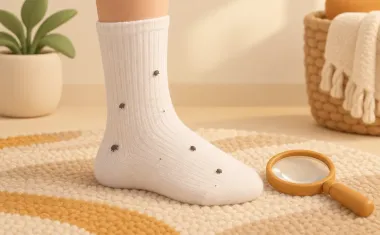
Tiny dark bugs that jump are not always fleas. Springtails and flea beetles jump too, and several bugs that don’t jump get mistaken for them. One question sorts most of them.
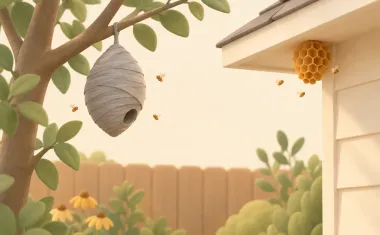
Every hornet is a wasp, but most “hornets” in the U.S. aren’t true hornets. Size, color and the nest tell you which one you have, and which ones are worth leaving alone.
Mold mites are tiny, pale mites that live wherever damp air lets mold grow. They are harmless to people and pets. Spraying alone won’t end them; the fix starts with the humidity.
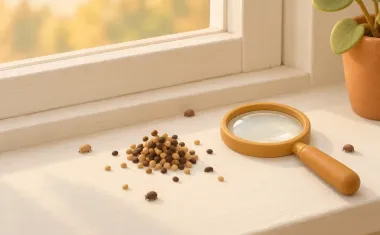
Termite droppings are tiny, hard pellets with six flat sides, piled under a pinhole in wood. Only drywood termites leave them. Here is how to tell them from sawdust, powder and ant debris, and how to check if they are fresh.
House gnats don’t bite. The biting “gnats” are outdoor flies: biting midges at dawn and dusk, black flies by day. Long sleeves, a fan and a $6.99 repellent stop most bites.
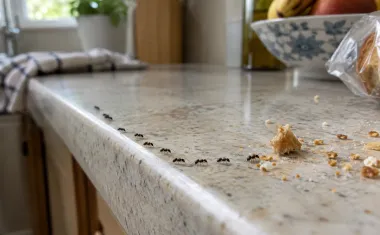
Fire ant workers live about 5 weeks, but queens live 7 years or more, and a carpenter ant queen up to 15. Killing the ants you see doesn’t touch the queen; slow-acting bait carried back to the nest does.
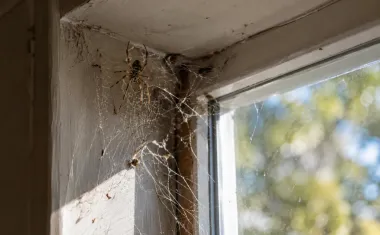
Most spiders in temperate climates live about a year, but house spiders indoors can live longer, and brown recluses average 2 to 4 years. Lifespan by species, plus what it means for spiders in your house.
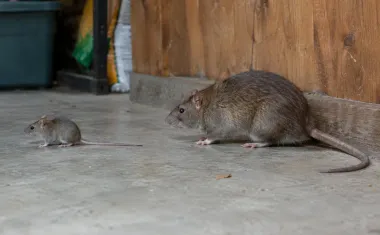
A house mouse is 5 to 7 inches long including its tail and weighs about ½ ounce; a Norway rat can reach 16 inches and over a pound. Size, tail, ears, droppings and behavior tell them apart, and the traps are different.
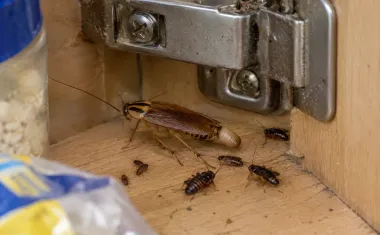
The five common house cockroaches are German, brown-banded, oriental, American and smokybrown. Kitchen and bathroom roaches about ½ inch long are usually German; big ones in basements and drains are American or oriental.
Mostly, yes: house mice peak after dusk and again before dawn, and rats come out at dusk. Set traps before dark and check them each morning. What a daytime sighting means.
A German cockroach lives about 3 to 9 months as an adult; an American cockroach can live over a year. How fast each breeds, how long they last without food, water or a head, and why bait beats spray.