Pest guide
Springtails: Identify, Get Rid of and Prevent Them
Springtails mean moisture. Find the damp spot, dry it out, fix the source outside the walls and clear the tiny jumping bugs without heavy sprays.
6 guides · Updated Nov 23, 2026
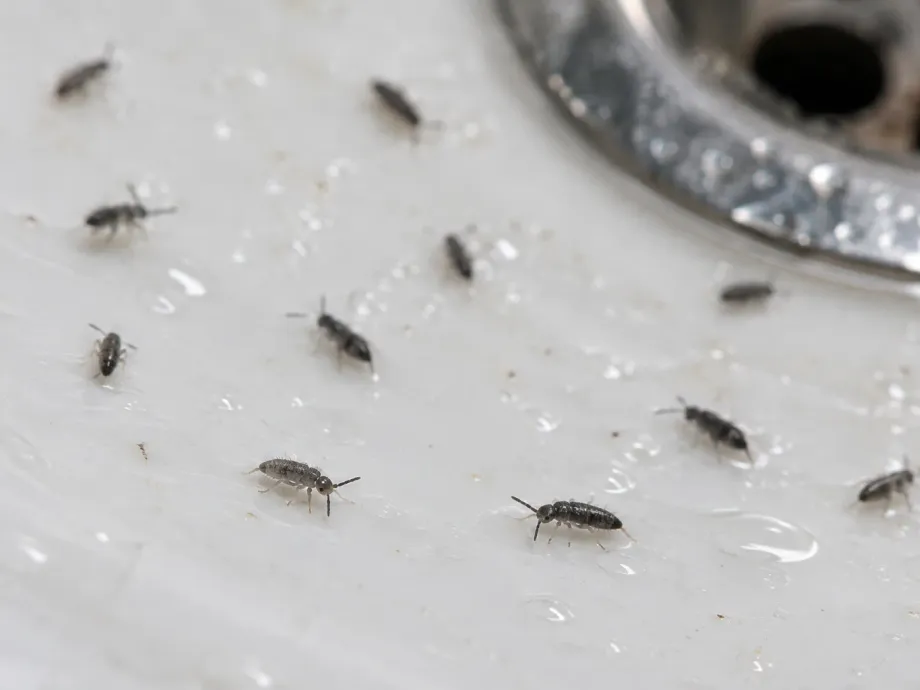
Springtails overview
How to identify springtails
Springtails are tiny, wingless and about 1/16 inch long, gray, white, black or bluish. They jump when disturbed and turn up in damp bathrooms, basements, houseplant soil and on window sills (UC IPM, University of Minnesota Extension). They are harmless: they don’t bite or damage anything.
Why they’re in your house
Springtails live in damp soil, mulch and leaf litter, feeding on fungi, mold and decaying plants. When the soil outside dries out, often after a wet spring followed by a hot, dry spell, they come looking for moisture and get in under doors, along pipes and vents, or in potted plants (Colorado State). Indoors they crawl toward water and get trapped in sinks and tubs, and vacuuming alone can’t win while moisture keeps them alive.
Where to start
Read how to get rid of springtails: find the leak or damp spot, dry it out, and keep indoor humidity under 60%. Springtails that can’t find moisture soon die. They are soft and easy to crush, so water and a vacuum are all you need for the ones you see. Dehumidifiers for bugs covers what size to buy.
How to keep them out
Keep the moisture from coming back: fix leaks and drips, run a fan or dehumidifier in damp rooms so humidity stays under 60%, and repair torn screens and gaps under doors where they crawl in. Never pour or spray insecticide down drains for springtails (UC IPM). Springtails can’t fly, so tiny flying insects around a drain are a different pest; see drain flies.
When to call a pro
Call a professional, or a plumber or waterproofing contractor, if you can’t find or reach the source of the moisture: a hidden leak inside a wall, a wet crawl space or water pooling against the foundation.
Sources: UC IPM: Springtails; University of Minnesota Extension: Springtails; Colorado State University Extension: Springtails; EPA: A Brief Guide to Mold, Moisture and Your Home
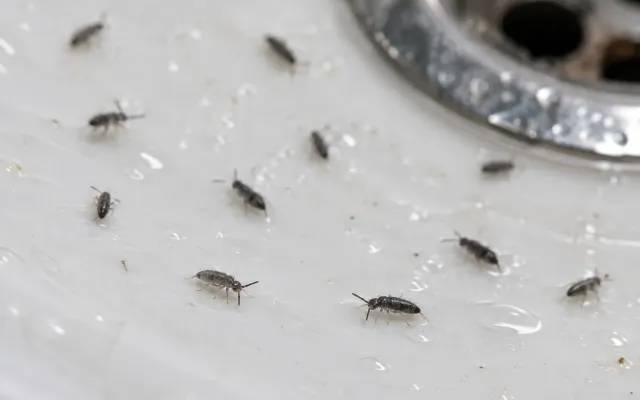
All springtail guides
2 guides
Identify
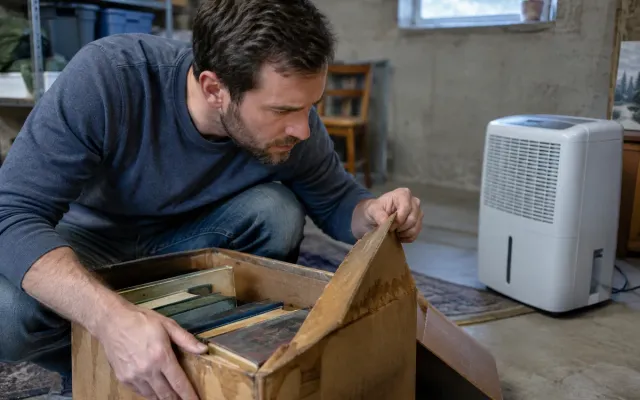
Bugs That Look Like Fleas (and How to Tell in 1 Minute)
Tiny dark bugs that jump are not always fleas. Springtails and flea beetles jump too, and several bugs that don’t jump get mistaken for them. One question sorts most of them.
Updated Oct 21, 2026 · 7 min read
Identify
Tiny White Bugs: What They Are and What They Mean
Tiny white bugs indoors are usually booklice, mites, springtails or a freshly molted insect; on plants, mealybugs or whiteflies. Most point to damp or old food, not a bite risk.
Updated Nov 23, 2026 · 11 min read
Carpet beetle guides that also cover springtails
1 guideWritten mainly about carpet beetles, with advice that applies to springtails too.
Cockroach guides that also cover springtails
1 guideWritten mainly about cockroaches, with advice that applies to springtails too.
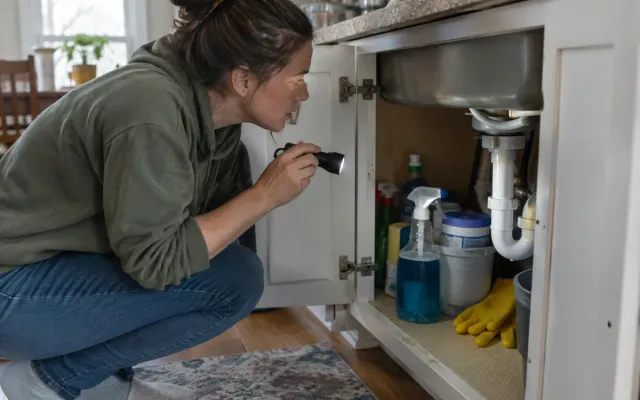
Silverfish guides that also cover springtails
1 guideWritten mainly about silverfish, with advice that applies to springtails too.
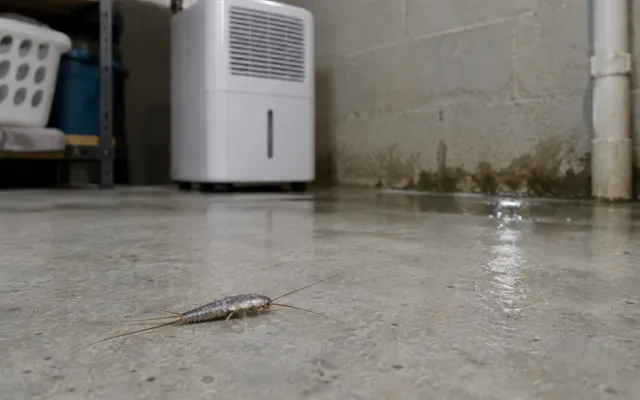
Not a springtail?
Guides for other pests.
Springtail questions
Are springtails harmful?
No. Springtails don’t bite, sting or damage anything in the house. They are a sign of moisture.
Why do springtails keep coming back?
The damp spot is still there. Vacuuming removes the ones you see, but they keep coming while moisture keeps them alive.
Do I need to spray for springtails?
No. Drying out the area is what works; springtails that can’t find moisture die on their own.