How Long Do Spiders Live? Lifespan by Species
Most house spiders live about a year. Brown recluses can live 2 to 4.
Most spiders in temperate climates live about a year and die with the first hard freeze, according to the Missouri Department of Conservation, but the common house spider, living in climate-controlled buildings, may survive for more than a year. Wolf spiders vary by species, from a one-year life cycle to several years (Montana State University). A female black widow can live up to a year after maturing, a male only a couple of months (Animal Diversity Web). The longest-lived house spider is the brown recluse, which matures in about a year and averages 2 to 4 years (University of Kentucky).
Difficulty: easy. Call a pro if you find brown recluses or black widows indoors more than once, or sticky traps keep catching spiders weeks after you cleaned and sealed.
This guide covers spider lifespan by species, the spider life cycle and what a long-lived spider means for your house. We haven’t raised spiders ourselves; it rests on the Missouri Department of Conservation, Montana State University, the University of Michigan’s Animal Diversity Web, University of Kentucky and UC IPM.
Spider Lifespan by Species
| Spider | Typical lifespan | Source |
|---|---|---|
| Common house spider | About a year; may survive more than a year indoors | Missouri Dept. of Conservation |
| Wolf spider | One-year life cycle in some species, multiple years in others | Montana State University |
| Black widow, female | About 90 days to mature, then up to a year | Animal Diversity Web |
| Black widow, male | About 70 days to mature, then a couple of months | Animal Diversity Web |
| Brown recluse | Matures in about a year; average lifespan 2 to 4 years | University of Kentucky |
Black widow figures are for the western black widow.
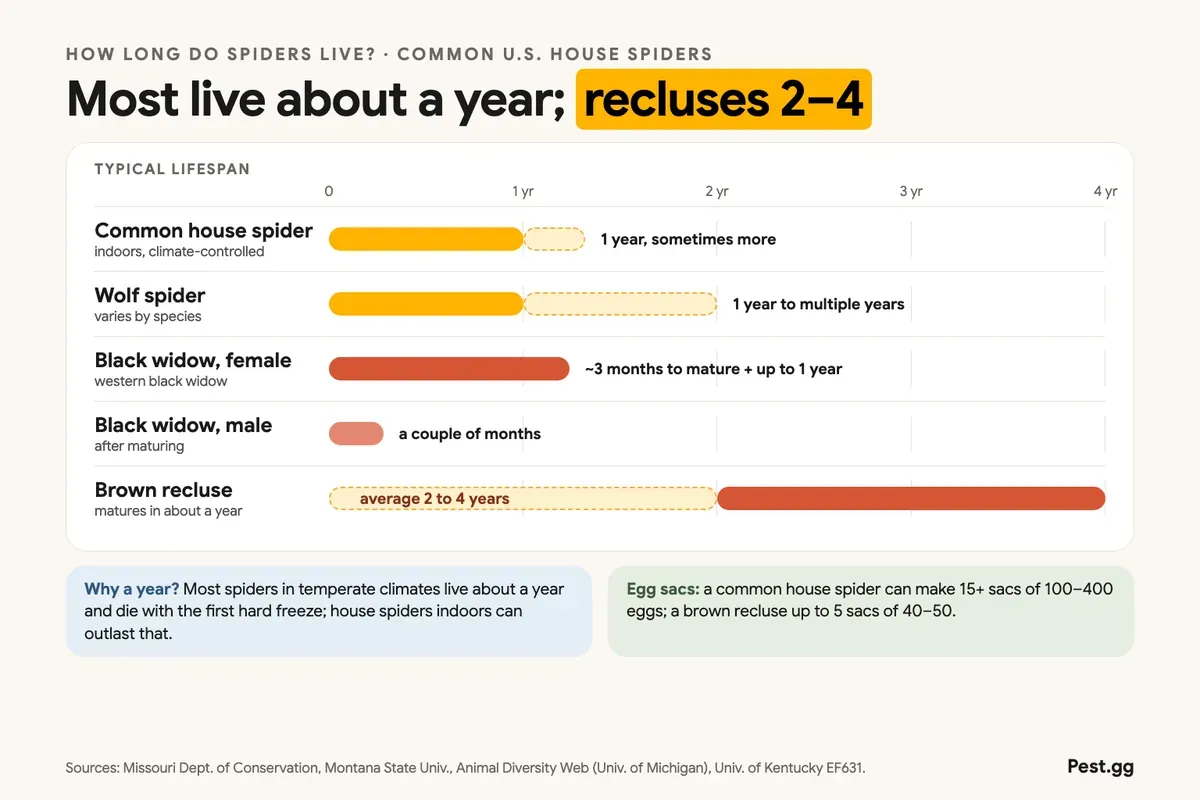
Infographic: spider lifespan by species. Sources: Missouri Department of Conservation, Montana State University, Animal Diversity Web, University of Kentucky.
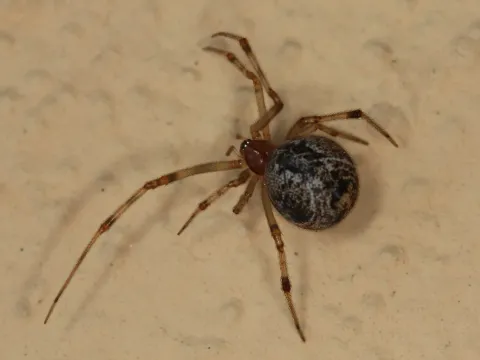 ~1 yearCommon house spiderAbout a year, sometimes longer indoors.
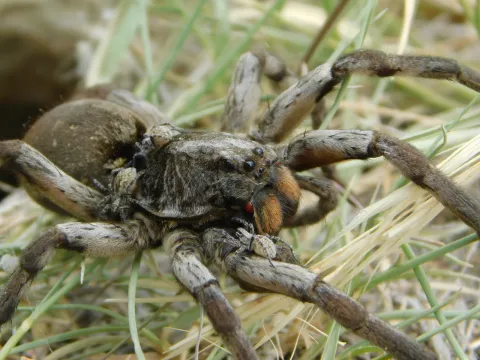 1+ yearsWolf spiderOne year to several, depending on species.
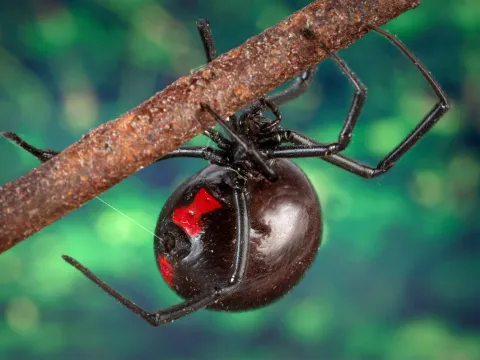 VenomousBlack widowFemales up to a year after maturing; males a couple of months.
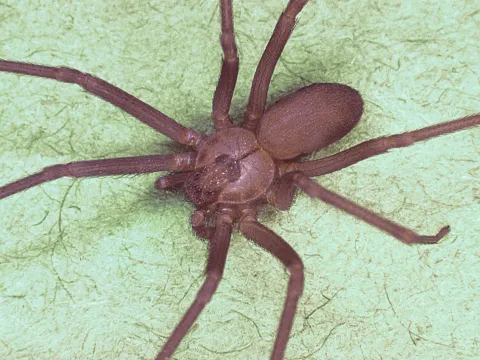 Longest-livedBrown recluseAverage 2 to 4 years.
Why Most Spiders Live About a Year
Outdoors, the seasons set the clock. The Missouri Department of Conservation says most spiders in our temperate climate survive only a year and die with the first hard freeze. Many leave the next generation behind as eggs: some wolf spider species have offspring that overwinter in egg sacs (Montana State University).
Indoors is different. A heated, air-conditioned house has no hard freeze, which is why the common house spider may live more than a year inside (Missouri Department of Conservation), and why brown recluses can survive in homes for years.
The Spider Life Cycle
Every spider goes egg, spiderling, adult:
- Egg sac. A female wraps her eggs in silk. A common house spider’s tan or gray sac holds 100 to 400 eggs, and she can make more than 15 in her life (Missouri Department of Conservation). A brown recluse makes up to 5 sacs of about 40 to 50 eggs each (University of Kentucky). Wolf spiders carry their sac attached to the spinnerets (Montana State University).
- Spiderlings. House spider hatchlings often stay in the mother’s web for several days before dispersing (Missouri Department of Conservation); wolf spiderlings ride on the mother’s abdomen until they’re ready to leave (Montana State University). Only a few survive: Animal Diversity Web says only 1 to 12 black widow spiderlings from a sac live to 30 days old.
- Molting to adult. Spiders grow by shedding their skin. Brown recluses molt five to eight times before becoming adults (University of Kentucky), and their shed skins are a useful sign of an infestation.
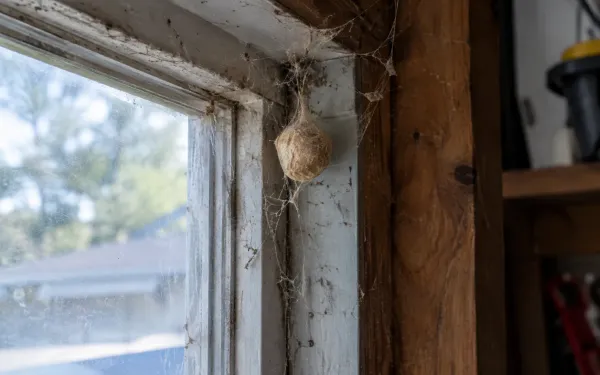
Spider egg sacs shows what each species’ sac looks like and how to remove one.
What Lifespan Means for Spiders in Your House
One spider isn’t a sign of trouble. UC IPM says the spiders seen out in the open during the day are unlikely to bite, and most indoor spiders are harmless hunters; see how to get rid of spiders.
Brown recluses are the exception. Because they live 2 to 4 years and can persist many months without food or water (University of Kentucky), a home infestation can build to dozens or several hundred spiders. If you live in recluse country and find more than one, have it confirmed and see our brown recluse entry.
Egg sacs restart the clock. Removing sacs stops the next generation. Vacuum webs, spiders and egg sacs, then empty the vacuum outside.
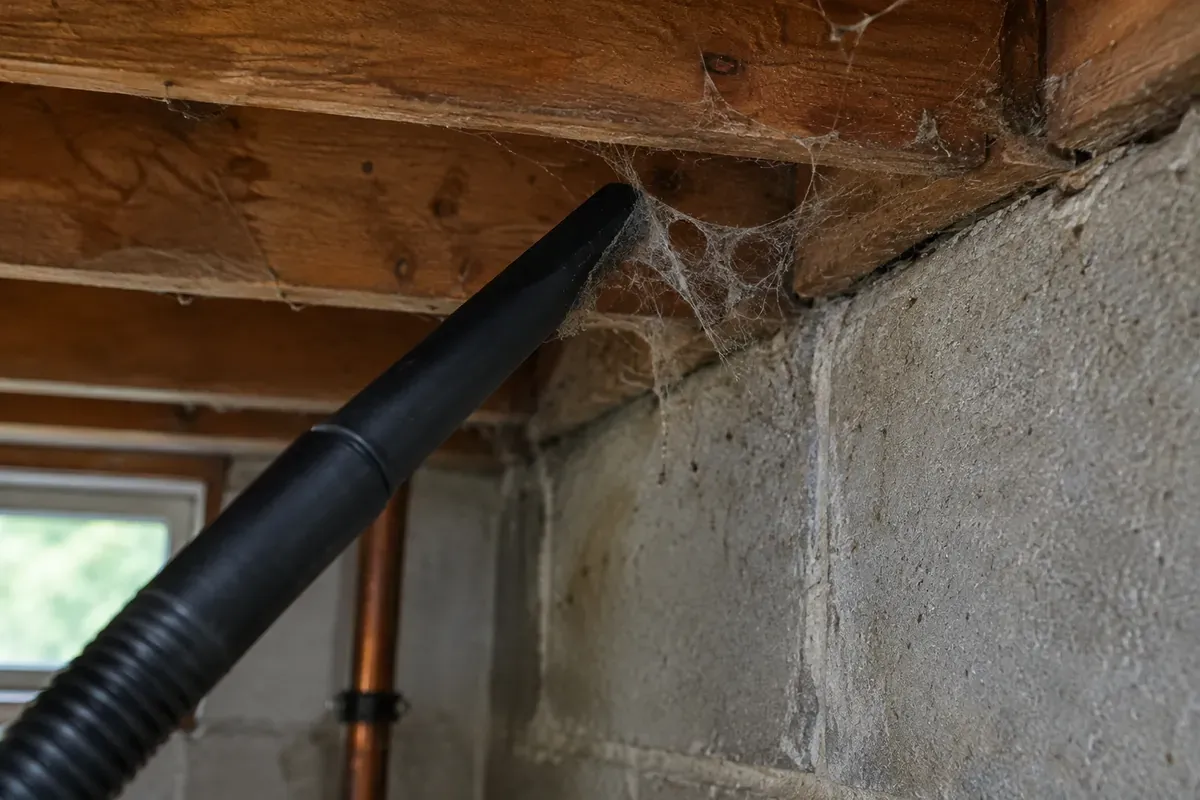
Illustration: vacuuming an old web from a basement corner.
When to Call a Pro
If you find brown recluses or black widows indoors more than once, or sticky traps keep catching spiders weeks after you cleaned and sealed.
Common questions
About a year, and possibly more than a year in a climate-controlled house (Missouri Department of Conservation).
Some can. Brown recluses average 2 to 4 years (University of Kentucky), and some wolf spider species live for multiple years (Montana State University).
Many outdoor spiders do; most temperate spiders die with the first hard freeze (Missouri Department of Conservation). Indoor spiders don’t face that freeze, which is why house spiders and brown recluses can live longer inside.
The University of Kentucky says brown recluses can persist many months without food or water. We didn’t find a reliable figure for other house spiders.
The Bottom Line
Most spiders live about a year, house spiders a bit longer indoors, and brown recluses 2 to 4 years. One spider in the open is usually harmless; repeated brown recluse or black widow sightings are worth acting on. Vacuum webs and egg sacs and seal gaps to keep numbers down.
Sources and further reading · 5
- Missouri Department of Conservation: Common House Spider: lifespan, egg sacs, hatchlings.
- Montana State University: Wolf Spiders: variable life cycles, egg sacs, spiderlings.
- Animal Diversity Web (University of Michigan): Western Black Widow: maturity time and lifespan for males and females, spiderling survival.
- University of Kentucky: Brown Recluse Spider (EF631): maturity, 2- to 4-year lifespan, egg sacs, molts, survival without food.
- UC IPM: Spiders: spiders in the open are unlikely to bite.