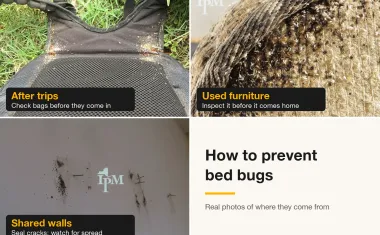
Bed bugs hitchhike in on luggage, clothes, bedding and used furniture, so prevention happens at the door. The checks that keep them out after trips, with secondhand finds and in apartments, plus how to catch an infestation early. Sprays won’t prevent them.
Bed bugs come from other infested places. They ride in on luggage, clothing, used furniture and other belongings, or crawl over from a neighbor’s unit, and they have nothing to do with dirt. The usual routes, why they seem to appear from nowhere and how to cut the risk.
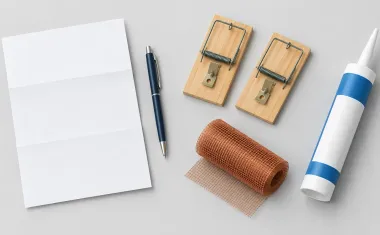
Set snap traps behind the stove and fridge, seal up food, and tell your landlord in writing. A 12-pack of traps (about $14) is enough to start; a full kit with sealing supplies runs $57–71.
Price guides list $189–$656 for rats and $150–$550 for mice, but 223 pro quotes homeowners shared for jobs that include sealing had a $2,000 median. Doing it yourself costs about $57–87 in traps, copper mesh, gloves and bleach.
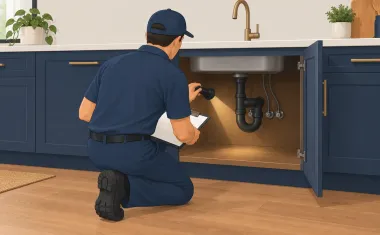
Exterminators inspect, set traps or bait stations, seal gaps and come back to check. What each visit should include, why traps may be left unset, and the quote red flags.
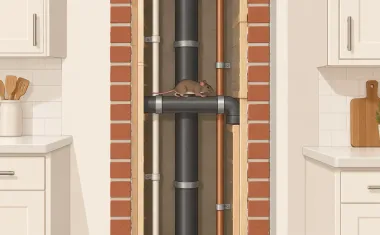
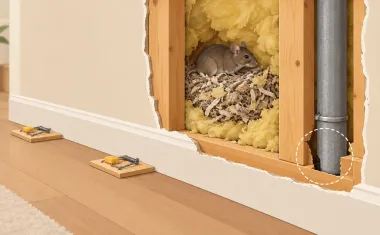
You don't need to cut the drywall. Trap where the mice come out, seal the outside gaps first, and skip poison so nothing dies inside the wall. About $57–71 in supplies.
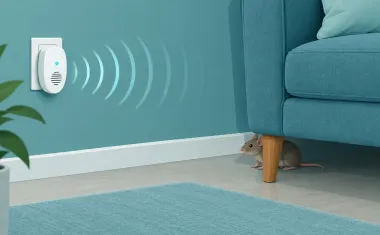
No. Mice and rats quickly get used to the sound, and UC IPM says the devices don't work on house mice. If yours is still returnable, spend the money on traps.
Two dozen snap traps, metal in every gap and food in sealed bins: the whole DIY plan costs $57–71 in supplies, versus a $2,000 median for pro sealing jobs homeowners shared.
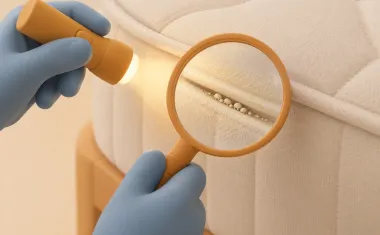
Bed bug eggs are about 1 mm, pearl white and glued in place, usually in clusters along mattress seams. They’re easy to miss and easy to confuse with lint. Here’s how to find them and what kills them.
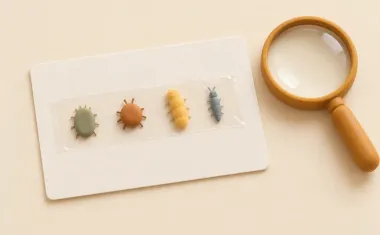
Carpet beetles, bat bugs, baby roaches and ticks all get mistaken for bed bugs. A wrong guess can cost hundreds in treatment. Three checks tell most of them apart.