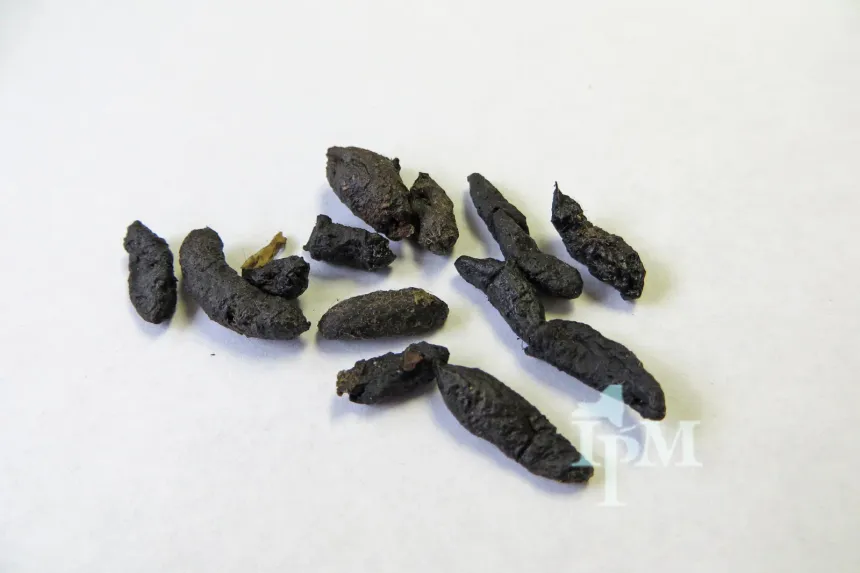
- Size
- From pepper specks to 3/4 in pellets
- Looks like
- Black, brown or the color of the wood eaten
- Where you find it
- Along walls, in drawers and cabinets, under beds, in attics, under wood
- Harmful?
- Rodent and bat droppings can spread disease; don't sweep them dry
- When
- New droppings after you clean up mean the pest is still there
What to do
Small, dark droppings indoors almost always come from mice, rats or cockroaches; size, shape and where they are tell you which. A mouse dropping is under 1/4 inch, a rat’s is 1/2 inch or more, and cockroach droppings have ridges. The one thing to do: don’t sweep or vacuum them dry, because that puts dust in the air.
This page matches droppings to their likely source, from rodents and roaches to raccoons, termites and the tiny specks flies, moths and spiders leave. It also shows how to tell whether the pest is still there, and who can confirm it.
Whose Droppings Are These? Match Size, Shape and Spot
| Main clue | Size and shape | Where you find them | From |
|---|---|---|---|
| Small black pellets, pointed ends | Under 1/4 in, like rice grains | Drawers, cabinets, along walls, behind appliances | House mouse |
| Large capsule-shaped pellets, blunt ends | About 3/4 in | Along walls, basements, garages | Norway rat |
| Large pellets, pointed and slightly curved | About 1/2 in | Attics, tops of cabinets, rafters | Roof rat |
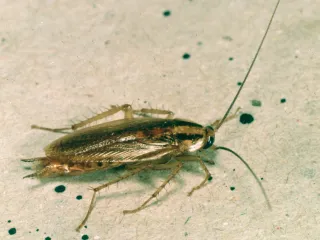
| Pepper-like specks or brown smears | Tiny; smears on surfaces | Cabinet hinges, corners, near sinks | German cockroach |
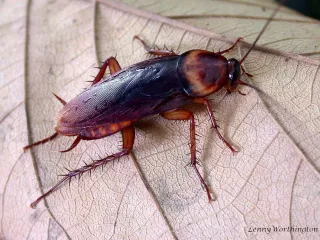
| Blunt cylinders with ridges along the sides | About the size of a grain of rice | Basements, drains, laundry rooms | American cockroach |
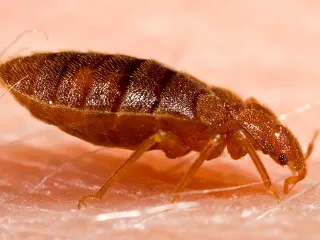
| Dark dots that smear like ink | Pinpoint | Mattress seams, bed frames, sheets | Bed bugs |
| Hard, six-sided pellets in small piles | About 1/32 in, like sand | Windowsills, floors under wood trim or furniture | Drywood termites |
| Coarse “sawdust” mixed with insect parts | Shavings | Under wood, near damp windows and walls | Carpenter ants |
| Dark pellets that crumble to powder with shiny bits | About 1/4–1/2 in | Piles below a roost in attics, on walls under gaps | Bats |
| Dark, tubular, blunt ends, often with seeds; in piles | About as wide as a nickel or dime | Roofs, decks, unsealed attics, woodpiles | Raccoons |
| Tiny dark specks | Pinpoint | Wherever flies walk and rest | House flies |
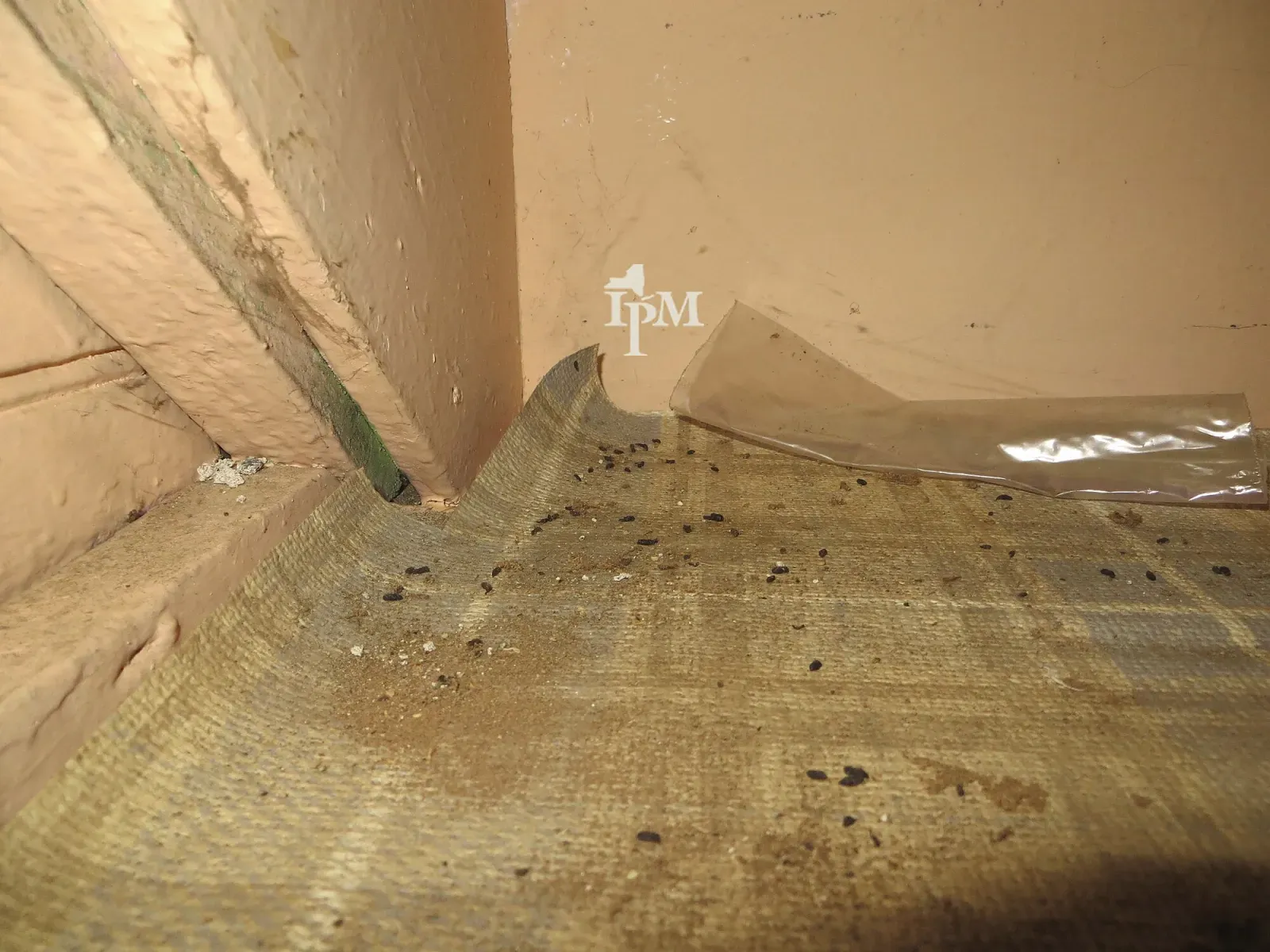
Mouse droppings in a cabinet corner, the way most people first find them. Photo: Matt Frye, New York State IPM Program (CC BY 2.0), via Wikimedia Commons.
Mouse vs. Rat Droppings: Rice Grain or Raisin
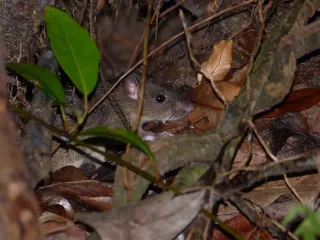
Size is the quickest test. Mouse droppings are smaller than a grain of rice; rat droppings are several times bigger. Within rats, Norway rat droppings have blunt ends and roof rat droppings are pointed. Our guide to mouse poop vs. rat poop has photos at scale.
Main clue: smaller than a grain of rice means mice; raisin-size or bigger means rats.
Rodent vs. Cockroach Droppings: Smooth or Ridged
Both can look like small dark specks. Cornell IPM explains the difference: rodent droppings are smooth and often tapered at one end, while cockroach droppings show ridges along their length. Small cockroaches also leave brown smear marks where they rest, which rodents don’t; cockroach poop shows both.
Main clue: smooth and tapered means rodents; ridged along the length, or brown smears, means cockroaches.
Insect “Sawdust” (Frass): Pellets, Shavings or Powder
Frass is the waste and debris wood-boring insects push out. Drywood termites leave tidy piles of hard, six-sided pellets (UC IPM). Carpenter ants push out coarse shavings mixed with dead ant parts. Powderpost beetles leave flour-fine powder below tiny round holes. Subterranean termites don’t leave piles at all; holes in wood helps sort the culprits.
Main clue: six-sided pellets mean drywood termites; shavings with ant parts mean carpenter ants; flour-fine powder means powderpost beetles. See termite droppings for close-ups.
Bat Droppings vs. Mouse Droppings: Crumbly or Hard
Bat droppings collect in piles under where bats roost and crumble into powder with shiny insect fragments when pressed (use a stick, not your fingers). Mouse droppings are hard and stay whole. UC IPM warns never to handle bats or breathe dust from their droppings.
Main clue: droppings that crumble into powder with shiny insect bits mean bats; hard droppings that stay whole mean mice.
Raccoon and Squirrel Droppings
Raccoons go in the same spot again and again, called a latrine, so you find a pile of droppings of different ages. Fresh ones are tubular with blunt ends, about as wide as a nickel or dime, usually dark, and often show seeds or nut shells. Common latrine spots are roofs, decks, unsealed attics, woodpiles and fallen logs (Public Health – Seattle & King County).
A latrine can hold raccoon roundworm eggs, which can cause serious illness if swallowed. Never vacuum it or use a leaf blower, which blows eggs and dust into the air. Follow King County’s cleanup steps, or leave it to a wildlife control professional.
Squirrels in an attic leave droppings along with gnawed holes, leaves, twigs, nut shells and hulls, and shredded insulation, and you often hear them shortly after dark and before dawn (Nebraska Extension). Flying squirrel droppings mixed with urine can stain the wall below an attic vent they use (ICWDM).
Main clue: a pile of tubular droppings with seeds on a roof, deck or attic floor means raccoons; droppings among nut shells and shredded insulation point to squirrels.
Tiny Specks: Flies, Moths and Spiders
- Flies leave dark fecal specks where they walk (University of Minnesota Extension). See how to get rid of house flies.
- Pantry moths: the larvae leave droppings (frass) and silk webbing in stored food. Webbing in the tight corners of a package is a telltale sign (UC IPM); see pantry moths.
- Clothes moths leave silken tubes or mats on wool and other fabric, with fibers and droppings worked in (UC IPM); see clothes moths.
- Spiders: the University of Kentucky lists webs, fecal spotting and discarded prey as the mess spiders leave indoors (EF623). Spots under a web with leftover insect parts point to spiders; see how to get rid of spiders.
Main clue: specks with webbing in food mean pantry moths, silk on wool means clothes moths, and spots under a web mean spiders.
How to Confirm Whose Droppings They Are
- Measure one next to a grain of rice or a coin.
- Look at the ends and sides: tapered and smooth means rodents, ridged means cockroaches.
- Note where they are: cabinets and walls, attic rafters, mattress seams or under wood.
Who Can Confirm the Droppings Are Active?
You can, with a simple test. Cornell IPM says new droppings after a cleanup mean control isn’t working yet, so the pest is still there.
- Clean up every dropping in the area, safely (see below), so old ones can’t fool you.
- Check the same spots over the next few days. New droppings mean the pest is still active.
- Read what’s there. Fresh rat droppings are soft (ICWDM). A sudden pile of droppings doesn’t prove a full infestation, but large and very small droppings side by side suggest adults and young (Cornell IPM).
- Get a second opinion if you’re still unsure: a licensed pest control professional can inspect for rodents and insects, a wildlife control professional handles raccoons and other wildlife, and a county extension office can identify an insect sample.
What to Do Next: Clean Wet, Then Treat the Pest
For rodent droppings, the CDC advises airing out the space, wearing gloves, and soaking droppings with disinfectant or a bleach solution before wiping them up; how to clean mouse droppings has the steps. Large amounts of bat or rodent droppings in attics are best left to a professional. Then open the culprit’s page above for how to deal with it.
What could have caused it
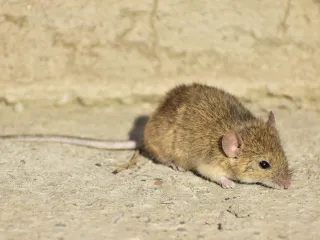 House mouseMus musculusIndoor breeder
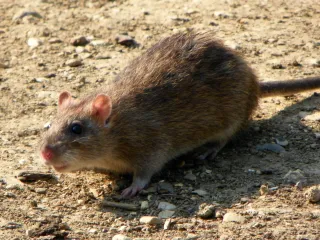 Norway ratRattus norvegicusBurrower
 Roof ratRattus rattusClimber
 German cockroachBlattella germanicaIndoor breeder
 American cockroachPeriplaneta americanaComes in from drains
 Bed bugCimex lectulariusBites people
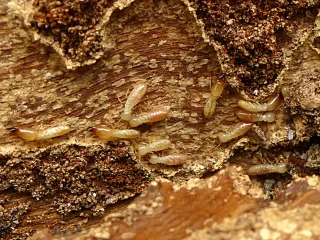 Drywood termiteIncisitermes speciesStructural damage
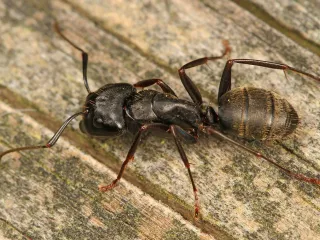 Carpenter antCamponotus speciesDamages wood
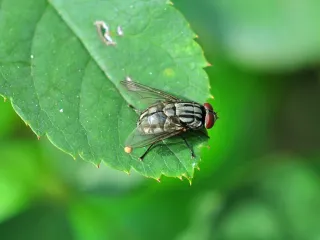 House flyMusca domesticaCarries germs
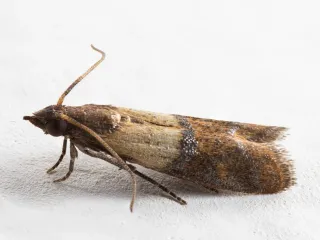 Indian meal mothPlodia interpunctellaPantry pest
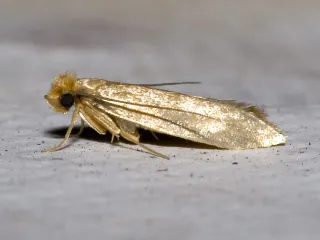 Webbing clothes mothTineola bisselliellaFabric pest
Sources
- Identifying Your Pest with Poop (Cornell Integrated Pest Management)
- Clean Up After Rodents (CDC)
- Drywood Termites (UC IPM)
- Carpenter Ants (University of Kentucky Entomology, EF603)
- How to Find Bed Bugs (EPA)
- Bats (UC IPM)
- Managing Mice and Rats (Cornell Integrated Pest Management)
- Norway Rats (Internet Center for Wildlife Damage Management)
- How to Clean Up a Raccoon Latrine (Public Health – Seattle & King County)
- Control of Tree Squirrel Damage (Nebraska Extension, G1924)
- Tree Squirrel Damage Identification (Internet Center for Wildlife Damage Management)
- Flies (University of Minnesota Extension)
- Pantry Pests (UC IPM)
- Clothes Moths (UC IPM)
- Eliminating Spiders Around Homes and Buildings (University of Kentucky Entomology, EF623)
Last reviewed Nov 23, 2026.