How to Get Rid of Termites: What You Can DIY and When to Call a Pro
You can confirm termites and make your house less inviting to them yourself. Getting rid of an active infestation in a house is different: the University of Kentucky calls termite treatment “a job for professionals,” and EPA says termiticides can only be properly applied by a trained pest management professional.
Difficulty: hard. Call a pro if you find winged termites indoors, mud tubes on the foundation, hollow wood or six-sided pellets that keep coming back. Treating a termite infestation in a house takes a licensed professional.
Below: how to tell it’s termites, what you can do this week, what a pro will do for each kind of termite, and how to pick a company.
In this guide:
- Is It Termites?
- What You Can Do Yourself
- What Needs a Pro: Subterranean Termites
- What Needs a Pro: Drywood Termites
- Do DIY Termite Baits and Sprays Work?
- Termite Inspection: What It Checks and When to Get One
- Common Questions
Is It Termites?
You may never see a live termite. Look for these signs (University of Kentucky, UC IPM):
- Mud tubes about the width of a pencil on foundations, piers, sills or joists. Break off a small piece of one: small, creamy-white workers inside mean termites. Leave the rest in place for the inspector.
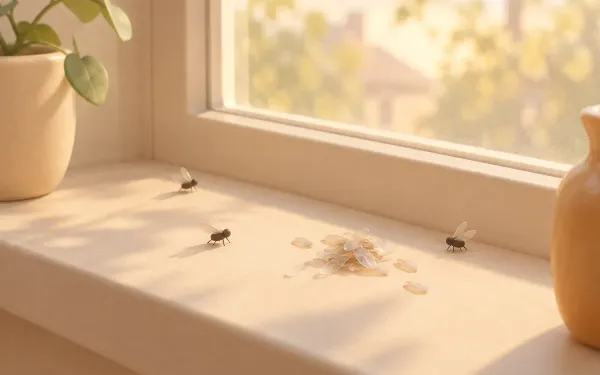
- Winged termites or shed wings on windowsills and along floor edges.
- Damaged wood hollowed out along the grain, lined with bits of mud or soil.
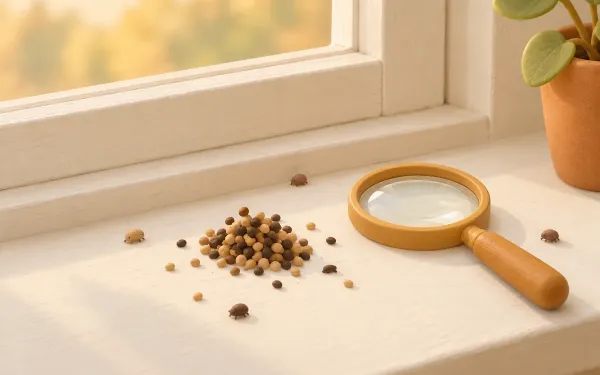
- Six-sided pellets piled under wood. These come from drywood termites, not subterranean ones.
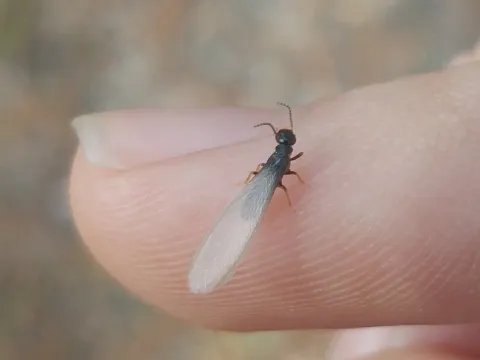 Call a proSwarmerDark body; four long, equal wings.
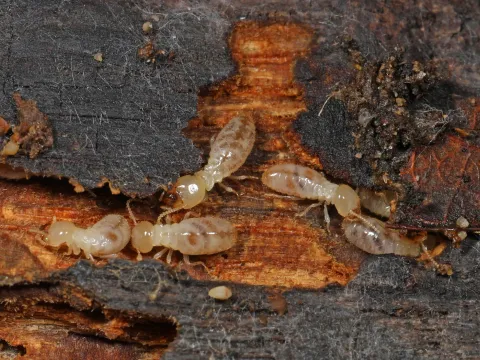 Call a proSubterranean workersPale and soft; inside wood or tubes.
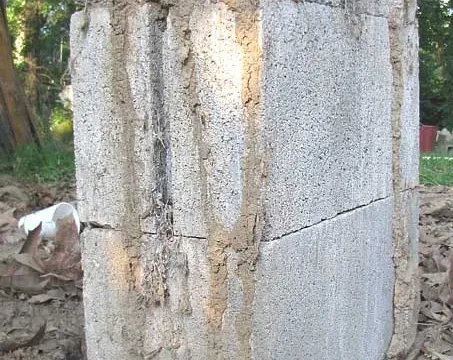 Mud tubesPencil-wide tunnels up a foundation.
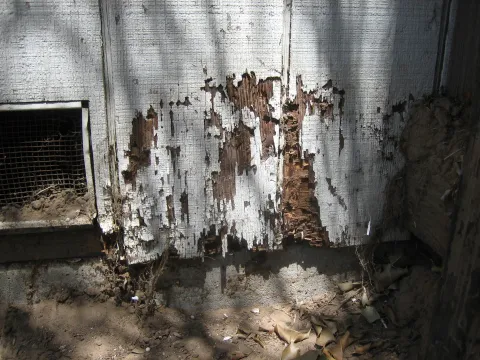 Damaged woodEaten from inside; mud along the base.
More photos of workers, soldiers and swarmers are in what do termites look like. Pellets are covered in termite droppings.
Flying termites (termites with wings)
Winged termites are swarmers leaving a colony to start a new one. What they mean depends on where they are (University of Kentucky):
- Indoors: almost always an infestation that needs treatment. They’re drawn to light, so look at windows and doors.
- Out of a stump or woodpile in the yard: not necessarily a problem for the house.
- Next to the foundation, or out of a porch or patio against the house: a reason to have it checked.
Swarmers that come out indoors can’t damage wood and live only about a day (University of Kentucky). Subterranean termites usually swarm in spring. Drywood termites swarm in the daytime in summer and fall (UC IPM).
Winged ants look similar. Termites have straight antennae, a thick waist and four wings of equal size. Ants have bent antennae, a pinched waist and longer front wings (University of Kentucky, EPA). See carpenter ants vs. termites.
What You Can Do Yourself
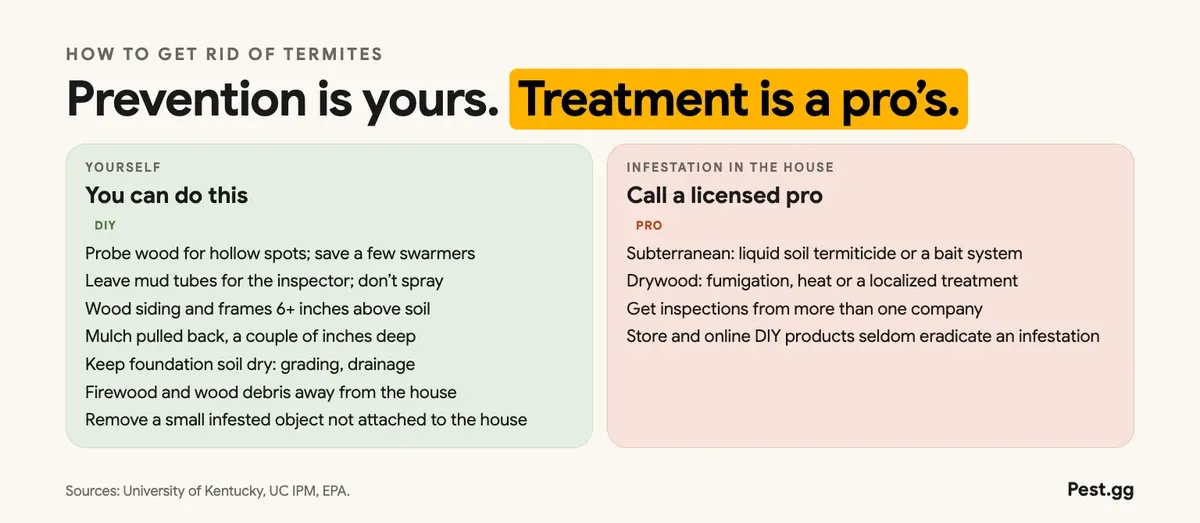
Infographic: what’s yours and what’s a pro’s. Sources: University of Kentucky, UC IPM, EPA.
1. Confirm it
- Probe exposed wood for hollow spots with a flathead screwdriver (EPA).
- Save a few swarmers in a bag or on tape for the inspector.
- Leave mud tubes in place so an inspector can check them.
- Don’t spray. Termites rarely come out of the soil, mud tubes or wood they’re feeding in (EPA), so a spray won’t reach the colony.
2. Break wood-to-soil contact
- Keep wood siding, door and window frames at least six inches above the soil (University of Kentucky). That may mean regrading or pulling soil or mulch back from the foundation.
- Use mulch sparingly, a couple of inches, and never against wood siding or door and window frames (University of Kentucky).
- Don’t count on pressure-treated wood. The University of Kentucky says it’s still vulnerable.
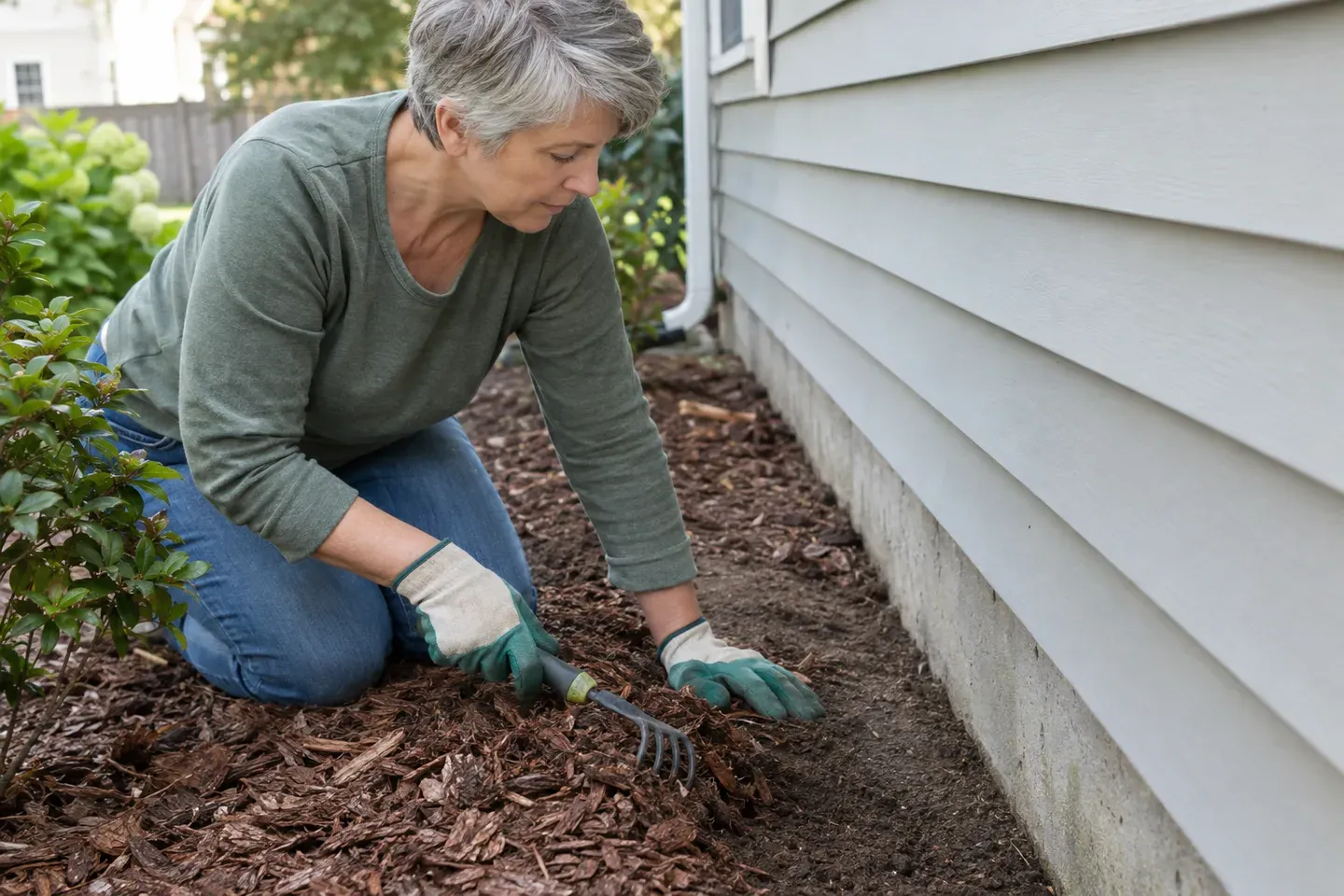
3. Dry out the foundation
Termites are drawn to moisture, and more likely to move in where the soil by the foundation stays moist (University of Kentucky). EPA’s advice: keep that soil dry with proper grading and drainage. Most building codes call for one square foot of crawlspace vent per 150 square feet of crawlspace (University of Kentucky).
4. Move wood away from the house
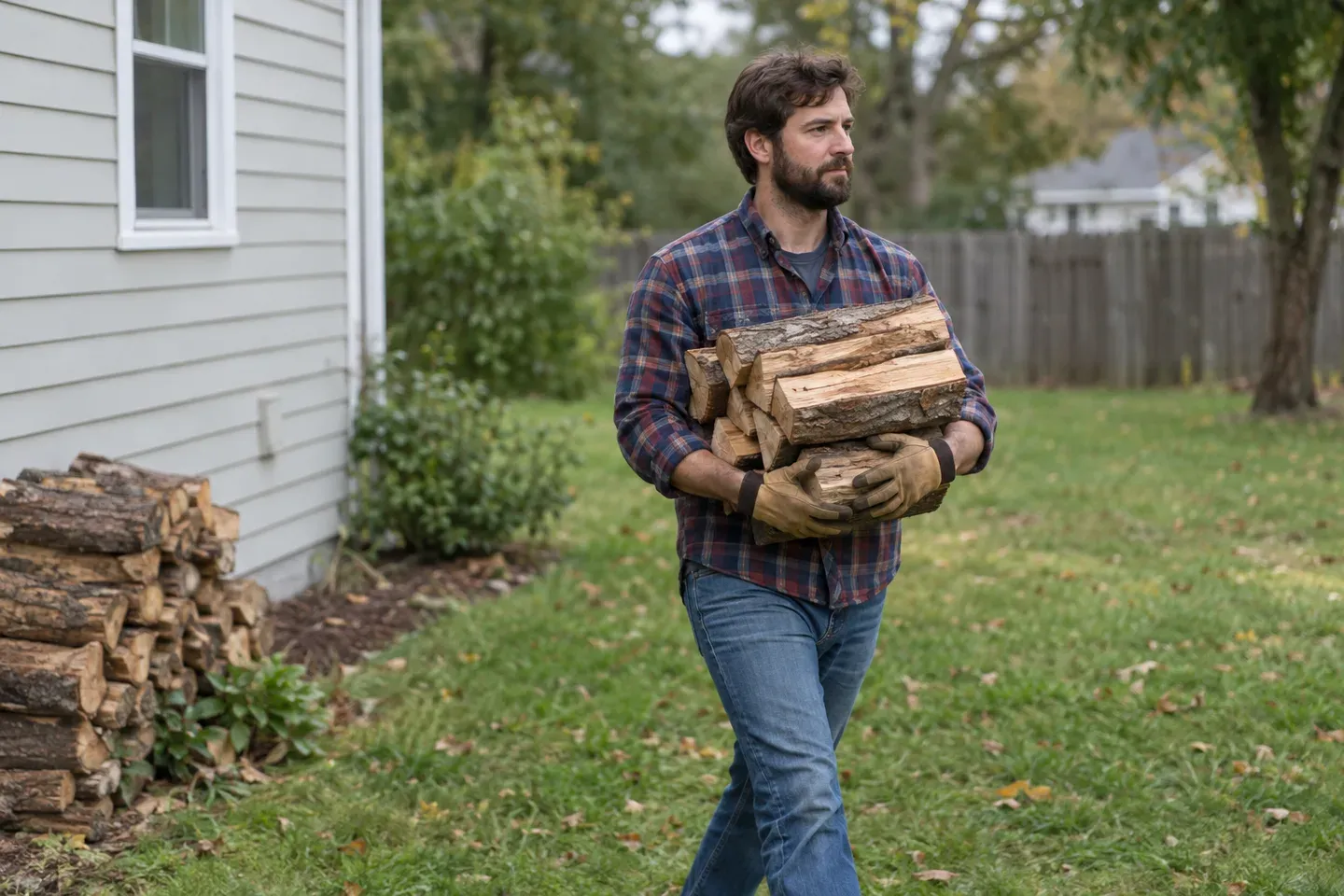
Never store firewood or wood debris against the foundation or inside a crawlspace (University of Kentucky, EPA).
5. Remove small infested pieces
If termites are in something small that isn’t attached to the house, such as a mailbox post, removing or treating it yourself is a possible exception to the “call a pro” rule (University of Kentucky). For drywood termites, UC IPM says removing infested wood is the one job homeowners can do; everything else needs a professional.
What Needs a Pro: Subterranean Termites
The subterranean termite is the most common termite in most of the United States (EPA). It lives in the soil and builds mud tubes. A pro will use one of two treatments, or both (University of Kentucky):
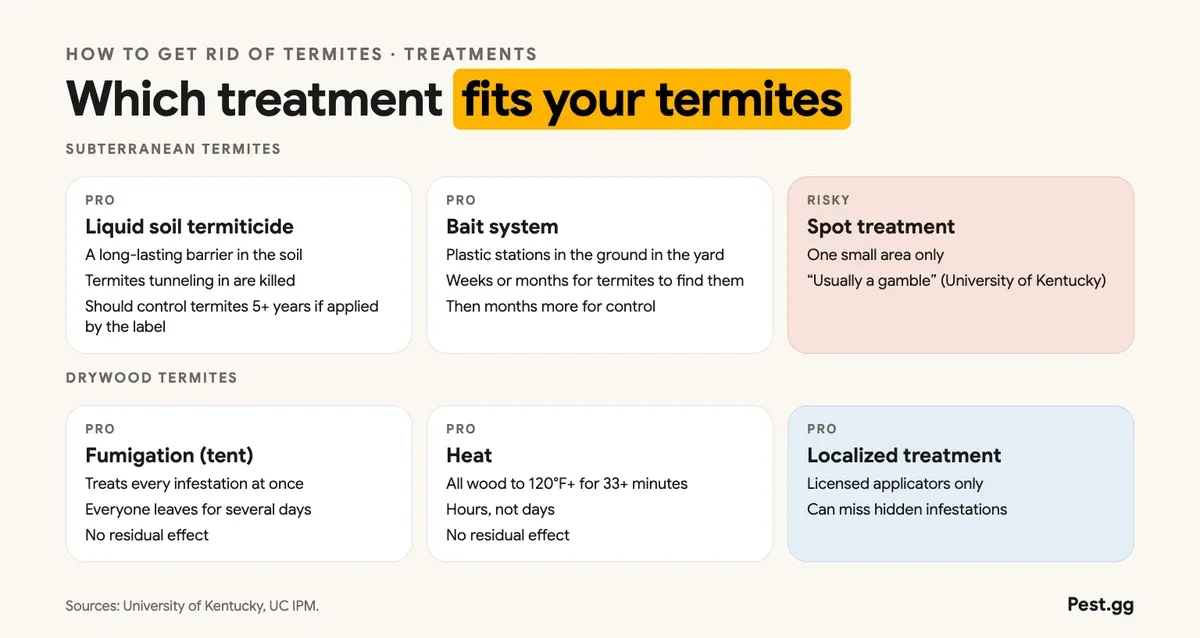
Infographic: the main professional treatments. Sources: University of Kentucky, UC IPM.
- Liquid soil termiticide. Applied to the soil to make a long-lasting barrier that keeps termites from getting in. Current products are non-repellent: termites tunneling into treated soil are killed. Every liquid termiticide is supposed to control termites for at least five years when applied by the label.
- Bait system. Plastic stations set in the ground around the yard. Termites eat the bait and share it with their nestmates, and numbers decline gradually. It can take weeks or months for termites to find the stations, and months more for control.
The University of Kentucky says spot treatments of just one area are “usually a gamble.” EPA adds that a liquid treatment done wrong can contaminate the home and nearby drinking water wells, which is why it should be done by a licensed, trained professional.
What Needs a Pro: Drywood Termites
Drywood termites live inside dry wood, with no contact with the soil. They leave six-sided pellets. UC IPM says do-it-yourself treatments aren’t recommended, because the products needed aren’t available for homeowners. A pro chooses between:
- Fumigation (tenting). The house is covered and filled with a gas that treats all infestations at once. Everyone, including pets, has to leave for several days (UC IPM).
- Heat. All the wood is heated to at least 120°F and held there for at least 33 minutes. It takes hours instead of days (UC IPM).
- Localized treatment. A licensed applicator treats one board or a small area. You can never be sure every infestation has been found (UC IPM).
Neither fumigation nor heat leaves anything behind to stop new termites later (UC IPM).
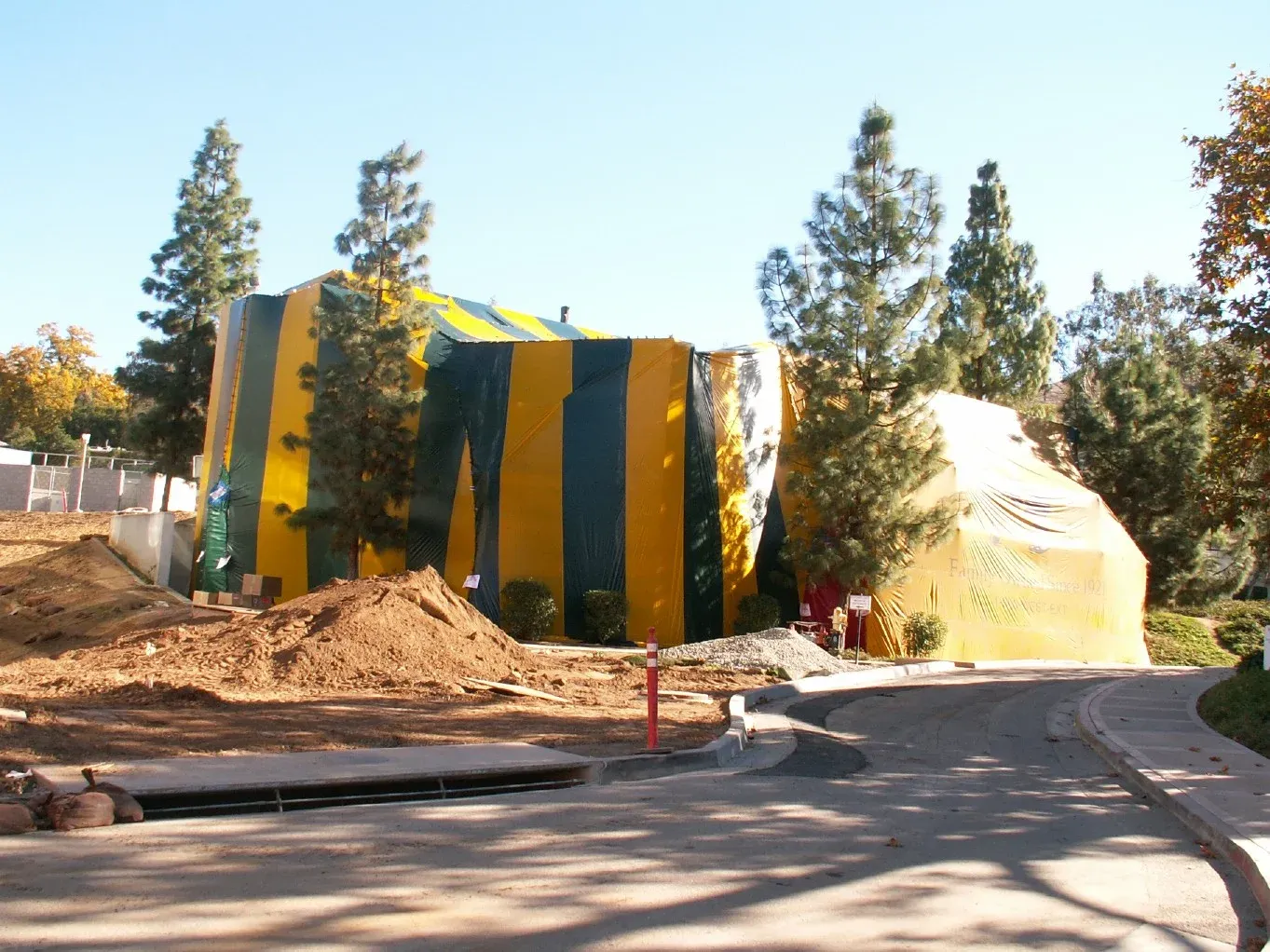
A house tented for termite fumigation in Riverside, California. Photo: Dyanega, CC BY-SA 4.0.
Do DIY Termite Baits and Sprays Work?
Not for a house. The University of Kentucky says do-it-yourself products sold in stores or online “will seldom eradicate an existing termite problem.” UC IPM says home-use products aren’t effective against drywood termites.
If you shop anyway, read the label. EPA says a termiticide meant to protect a building must be labeled for that use, and products that only claim to kill termites haven’t shown they can protect a structure.
Termite Inspection: What It Checks and When to Get One
Get one if you see:
- Winged termites or shed wings indoors
- Mud tubes on the foundation or in the crawlspace
- Wood that sounds hollow or crumbles along the grain
- Six-sided pellets that come back after you clean them up
A termite inspection or infestation report is also normally a condition of sale when you buy or sell a home (University of Kentucky).
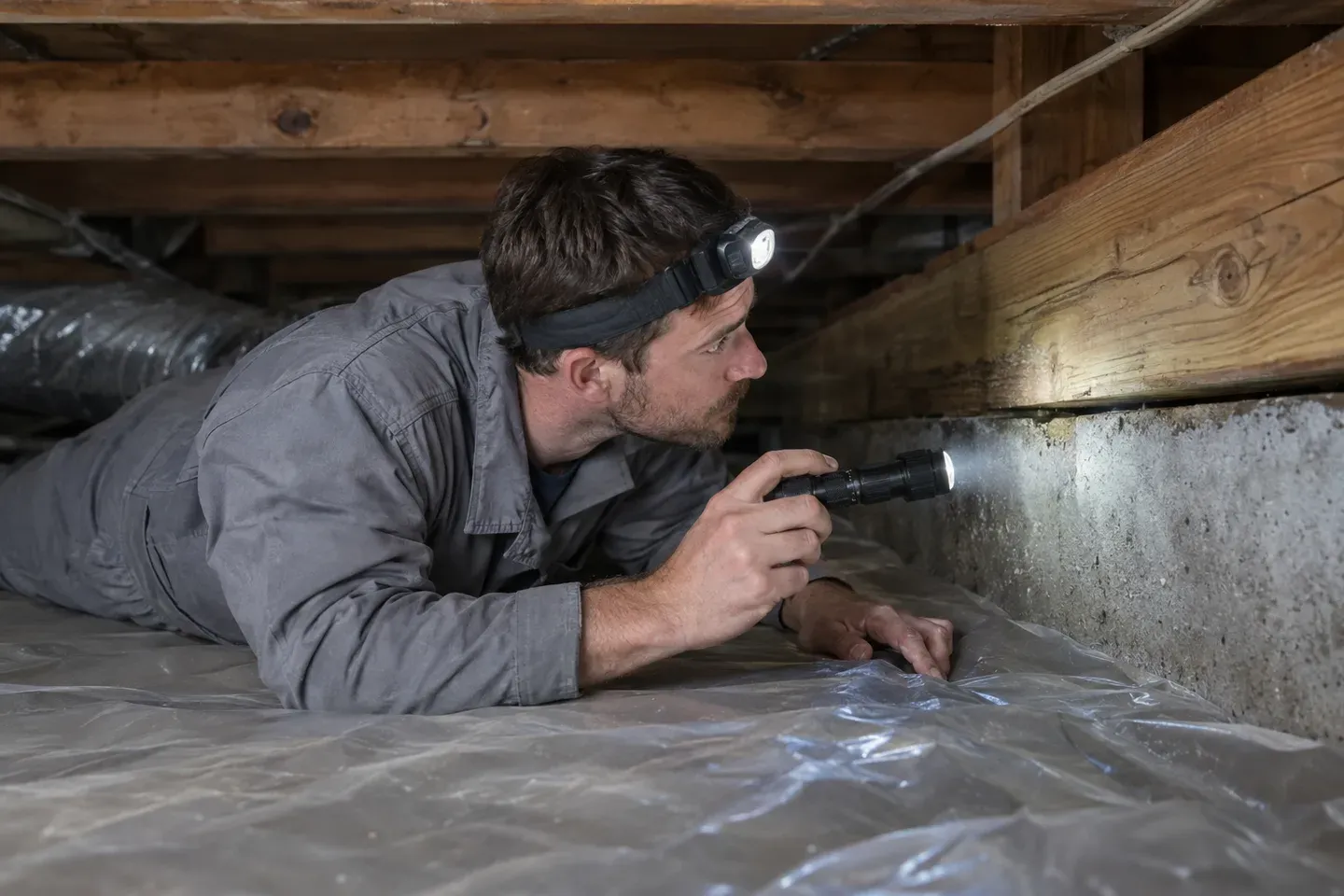
What it checks. Finding hidden termites takes a trained eye (University of Kentucky). The inspector looks for the signs above in places you rarely see, such as the crawlspace, sill plates and joists. Many companies offer free inspections and will point out conditions around the house that invite termites (University of Kentucky).
How to pick a company:
- Check the license. Firms offering termite services must be licensed by your state (EPA).
- Get more than one inspection. The University of Kentucky suggests inspections and estimates from more than one company; UC IPM says at least three for drywood termites.
- Don’t rush. Avoid firms that pressure you to sign right away with specials or scare tactics (University of Kentucky).
- Keep the warranty. If you have one, the University of Kentucky says it’s a good idea to keep paying the annual renewal.
Common questions
Not an infestation in a house. The University of Kentucky says do-it-yourself products seldom eradicate an existing termite problem. What you can do is confirm the signs, dry out the foundation, and keep wood off the soil.
It depends on the treatment. A bait system can take months: weeks or months for termites to find it, then months more for control (University of Kentucky). Drywood heat treatment takes hours; fumigation takes several days, including time out of the house (UC IPM).
Inside the house, almost always (University of Kentucky). A swarm from a stump or woodpile in the yard doesn’t necessarily mean the house is infested; one next to the foundation is worth an inspection.
Sources and further reading · 4
- University of Kentucky: Termite Control, Answers for Homeowners (EF604): signs, swarmers indoors and outdoors, ants vs. termites, why DIY seldom works, liquids vs. baits, spot treatments, choosing a company, inspections at sale.
- University of Kentucky: Protecting Your Home Against Termites (EF605): six-inch clearance, mulch, moisture, crawlspace vents, firewood, free inspections, warranties.
- EPA: Termites, How to Identify and Control Them: swarm identification, probing wood, treatment types, licensed professionals, labels, grading and drainage.
- UC IPM: Drywood Termites: pellets, swarm timing, why DIY isn’t recommended, fumigation, heat, localized treatments, three inspection reports.