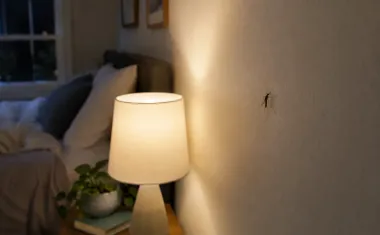
Mosquito bites itch because your body reacts to the saliva a female mosquito injects while she feeds. The bump shows up within minutes and usually fades in a day or two. What helps the itch, when a big reaction needs a doctor, and how to avoid the next bite.
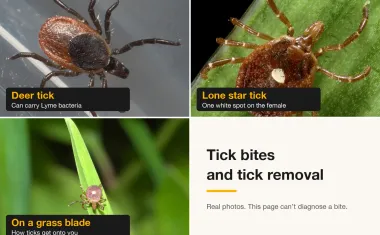
Most tick bites are harmless, and you may not feel one. Remove the tick right away with fine-tipped tweezers, pulling straight up, then watch the spot and how you feel for the next 30 days. Real photos, step-by-step removal and when to call a doctor.
Find standing water inside and out, fix window and door screens, run a fan, and use DEET or picaridin repellent. Skip ultrasonic devices, vitamin B1 and bug zappers; UC IPM lists them as ineffective.
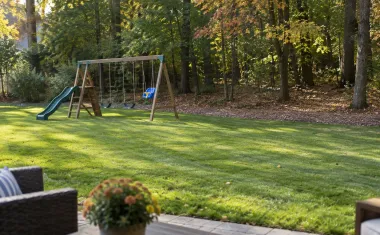
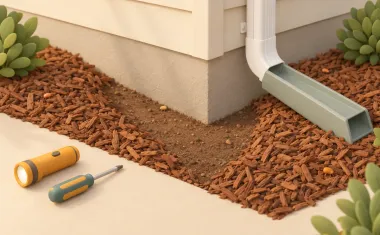
Mow often, rake out leaf litter, clear brush at the lawn edge and lay a 3-foot strip of wood chips between lawn and woods. Treat clothes with permethrin, dry them on high for 10 minutes after outdoor time, and check people and pets.
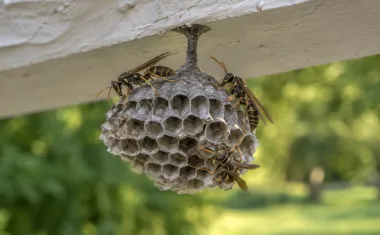
A small paper wasp nest you can reach from the ground is a DIY job: spray it at dusk, wait 3–4 days, then knock it down and bag it. Hornet nests, nests in walls and nests up a ladder are worth the pro’s $525 average.
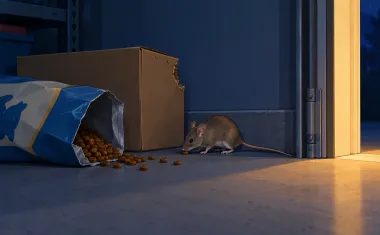
Food, warmth, nesting spots and a gap about ¼ inch wide. Sealing food, pet food and garbage, moving bird feeders and woodpiles, and closing gaps costs little or nothing.
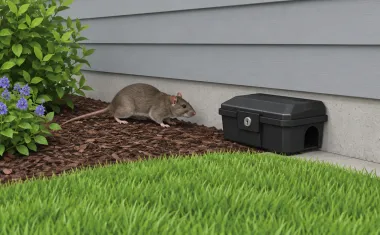
Outdoor rat bait stations kill some rodents feeding by the house but seal nothing. Monitoring plans can run $50–$150 a month; sealing gaps and trapping yourself costs $65–87.
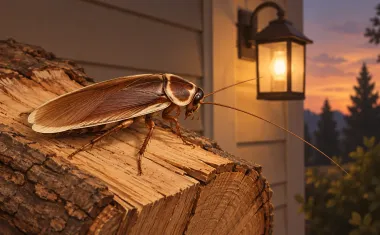
A wood roach is a native outdoor roach, ¾ to 1 inch, with pale edges behind the head. It can’t breed indoors and dies within days, so pick it up and toss it. No spray or exterminator needed.
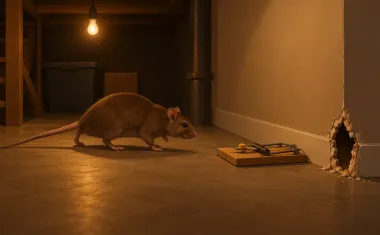
Rats need bigger traps and tougher sealing than mice. Here's the plan, step by step, for about $65–87 in supplies; shared pro quotes for sealing jobs run $1,000–$3,500.
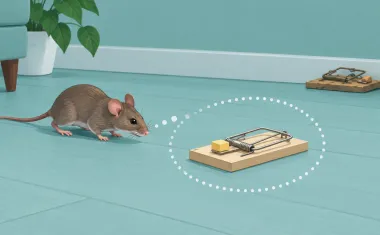
Rats skip traps that are new, too small or off their route. Bait a rat-size trap unset for a few nights, put other food away, then set every trap the same night.
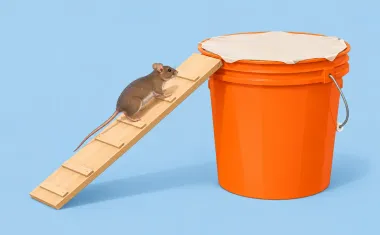
A bucket trap only works if the can spins at a light touch and the bucket is deeper than a mouse can jump. How to build one, why most catch nothing, and why to skip the water.
Some termite work is yours to do, and some isn’t. What you can safely handle yourself, what a termite inspection checks, and which treatment fits subterranean vs. drywood termites.