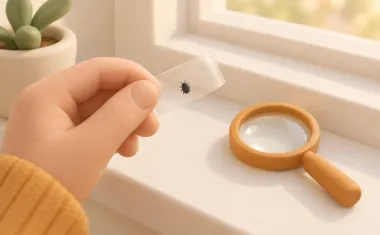
Most small black bugs in the house are carpet beetles, ants, pantry beetles, springtails or fleas. Where you find it and how it moves usually settle it in a minute.
Tiny brown bugs in the house are usually pantry beetles, young German cockroaches, bed bugs, fleas, carpet beetle larvae or small ants. Shape and where you found it tell them apart.
Tiny white bugs indoors are usually booklice, mites, springtails or a freshly molted insect; on plants, mealybugs or whiteflies. Most point to damp or old food, not a bite risk.
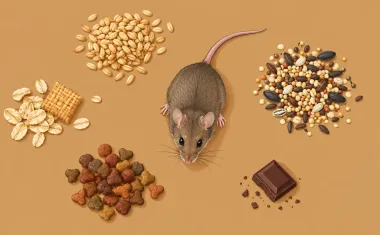
Mice prefer grains and seeds but eat almost anything, only about 1/10 ounce a day, so you can’t starve them out. Store food in glass, metal or thick plastic and trap the rest.
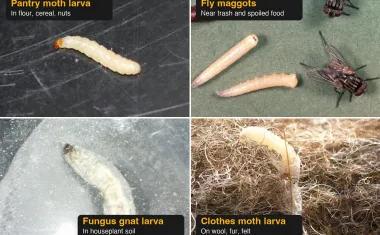
Small white worms indoors are almost always insect larvae, and where you found them tells you which: pantry moths in food, maggots by the trash, drain flies in the sink, fungus gnats in plant soil. Real photos of six, and what to do.
Mold mites are tiny, pale mites that live wherever damp air lets mold grow. They are harmless to people and pets. Spraying alone won’t end them; the fix starts with the humidity.
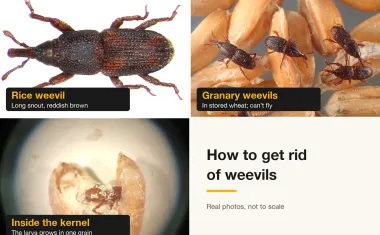
To get rid of weevils, throw out infested rice, beans and grain, freeze anything you want to keep at 0°F for 4 days, vacuum and wash the shelves, and store dry food in sealed jars. Don’t spray food areas.
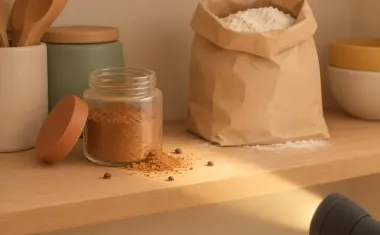
To get rid of drugstore beetles, find the infested food (often spices, pet food or old flour), throw it out or freeze it at 0°F for 4 days, vacuum and wash the shelves, and keep dry food in sealed jars. Sprays aren’t recommended.
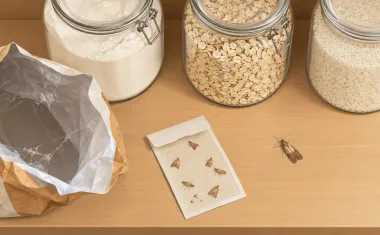
Pantry moths are about twice as long, gray and copper, and fly around the kitchen. Clothes moths are tiny, plain gold and hide near wool. Each lure attracts only its own kind, so buy one $10 pack of the right trap.
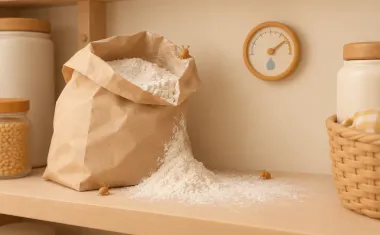
Moths in the pantry? Find the infested food, throw it out or freeze it, vacuum and wash the shelves, and move dry goods into sealed jars. About $26 in supplies, no sprays.