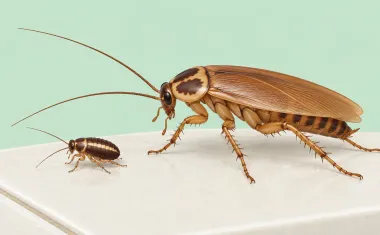
Tiny brown bugs in the house are usually pantry beetles, young German cockroaches, bed bugs, fleas, carpet beetle larvae or small ants. Shape and where you found it tell them apart.
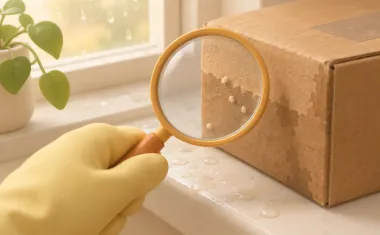
Tiny white bugs indoors are usually booklice, mites, springtails or a freshly molted insect; on plants, mealybugs or whiteflies. Most point to damp or old food, not a bite risk.
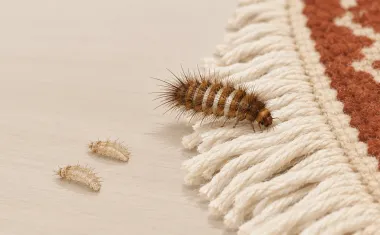
Carpet beetle larvae are fuzzy, slow, tan-to-brown grubs about 1/8 to 1/4 inch long, and they’re the stage that eats wool. Vacuum where they feed, then hot-wash or freeze what they touched.
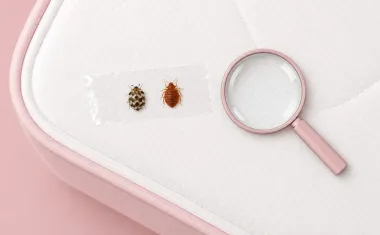
Hairy, or round like a tiny ladybug? Carpet beetle: it eats wool, not you. A flat, reddish-brown oval the size of an apple seed, or dark seam spots, means bed bugs.
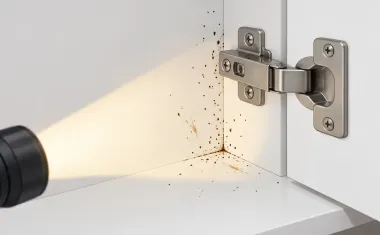
Cockroach poop is pepper-like specks from small roaches or ¼-inch dark pellets with flat ends and ridges from big ones. Wipe it up with hot soapy water, then set sticky traps to see if roaches are still active.
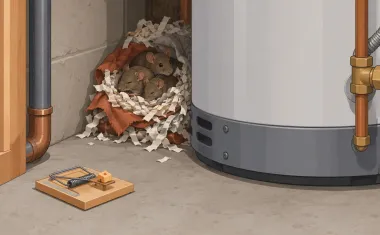
Often, but not always: one mouse can wander in alone. Fresh droppings, flour-patch tracks and 12–24 snap traps (about $14–27) show how many you really have.
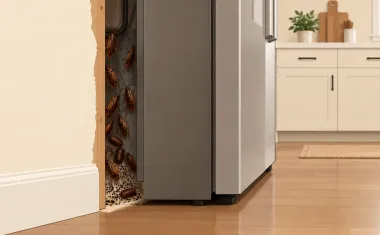
Pepper-like droppings, egg cases, shed skins, a strong odor and roaches out in daylight. One adult on a sticky trap usually means a newcomer; nymphs of several sizes mean an established infestation.
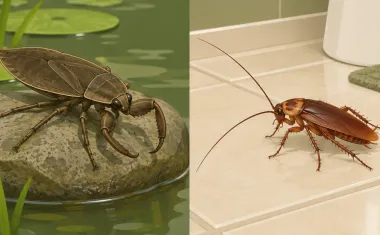
Most "water bugs" in a house are oriental or American cockroaches from drains and damp basements. A true water bug lives in ponds, has pincer-like front legs and tiny antennae, and doesn’t breed indoors.
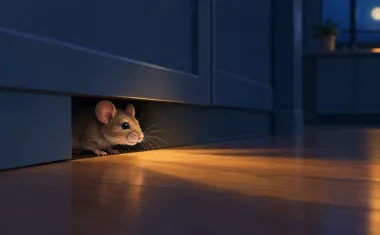
Mice sound like light scratching, scurrying and gnawing in walls and ceilings at night, with the odd high squeak. Rats are louder. Confirm with droppings, then trap nearby.
Rarely. A house mouse stays within about 30 feet of its nest, breeds year-round indoors, and cold drives it in, not out. Trapping plus sealing runs about $57–71 in supplies.
A baby cockroach is a wingless nymph, 1/8 to 9/16 inch, usually dark with a pale stripe down its back. It usually means roaches are breeding indoors. Confirm with $10–20 of sticky traps, then bait.
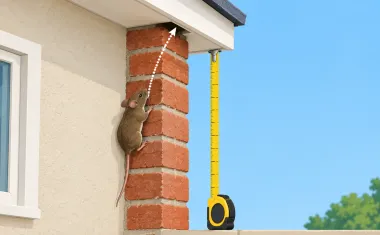
Yes, mice can climb walls: brick, wood, pipes and wires, and they jump about a foot. See what stops them, how rats compare, and which gaps to seal first.