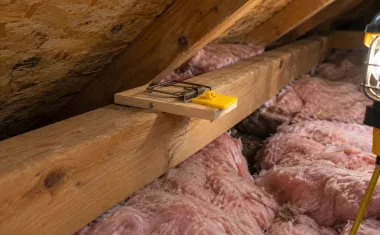
Rats in the attic are usually roof rats. Pre-bait rat-size snap traps on beams and pipes for a few nights, then set them; trim branches back from the roof, seal gaps at the roofline and vents, and clean up droppings the CDC way.
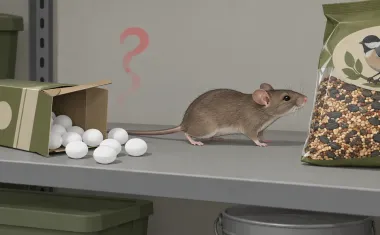
No. Mothballs are labeled for fabric pests in tightly closed containers, not for mice or rats. Why they fail, the health and legal risks, and what works instead.
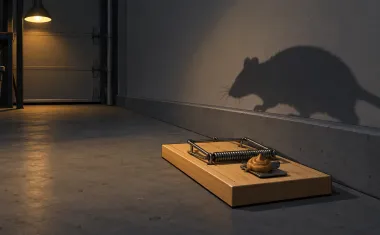
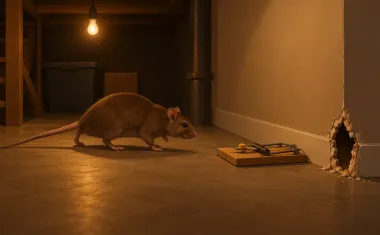
Use rat-size snap traps, about $3.59 each: bait with a pea-sized amount, leave them unset for a couple of days, then set them all at right angles to the wall.
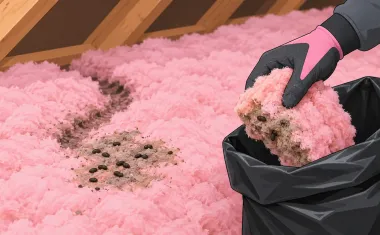
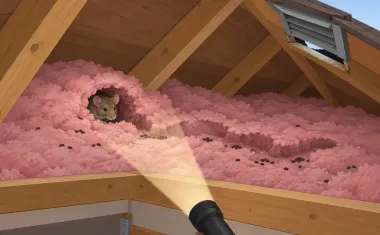
Mice in insulation don’t always mean a new attic: trap and seal first, then bag only the soiled patches and top them up. Full restoration runs $3.30–$5.50 per sq ft.
Mice sound like light scratching, scurrying and gnawing in walls and ceilings at night, with the odd high squeak. Rats are louder. Confirm with droppings, then trap nearby.
A pea-sized dab of chunky peanut butter, or a nut, raisin or bit of bacon tied to the trigger. Leave traps unset until the bait is taken, then set them all.
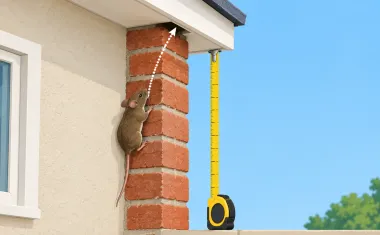
Yes, mice can climb walls: brick, wood, pipes and wires, and they jump about a foot. See what stops them, how rats compare, and which gaps to seal first.
Snap traps along the eaves, metal over every roofline gap and a wet cleanup clear most attics. DIY supplies run about $57–71; shared pro sealing quotes run $1,000–$3,500.
Rats need bigger traps and tougher sealing than mice. Here's the plan, step by step, for about $65–87 in supplies; shared pro quotes for sealing jobs run $1,000–$3,500.
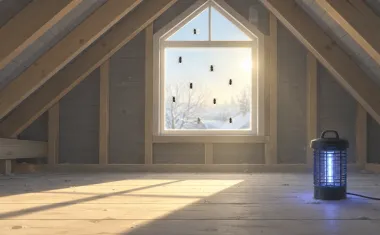
Vacuum or swat the sluggish flies at your windows, use a UV light trap in the attic, and seal cracks on the sunny upper walls by mid-August. Fly paper and lawn sprays don’t help. About $5 in caulk.
Vacuum them into a knee-high stocking instead of crushing them, then seal the cracks they use before they fly to the house next fall. Indoor sprays don’t help. Supplies run about $15.