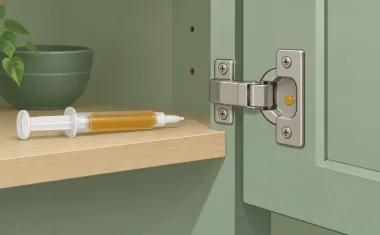
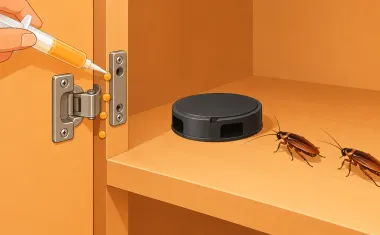
Yes, roach bait works: many pea-sized gel dots in cracks where roaches hide, no spray nearby, fresh bait every week or two. A $27 box of four tubes vs. about $300 for a single pro visit.
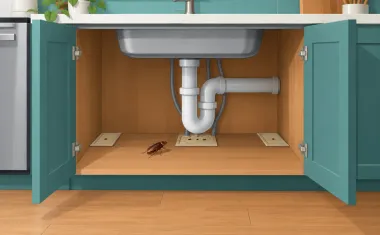
Sticky roach traps rarely wipe out roaches; they show where to bait and whether it worked. A 12-pack runs about $10, and a bit of beer-soaked bread makes each trap catch far more.
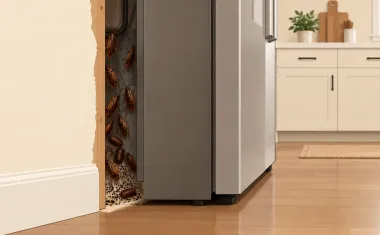
Pepper-like droppings, egg cases, shed skins, a strong odor and roaches out in daylight. One adult on a sticky trap usually means a newcomer; nymphs of several sizes mean an established infestation.
Food, warmth, nesting spots and a gap about ¼ inch wide. Sealing food, pet food and garbage, moving bird feeders and woodpiles, and closing gaps costs little or nothing.
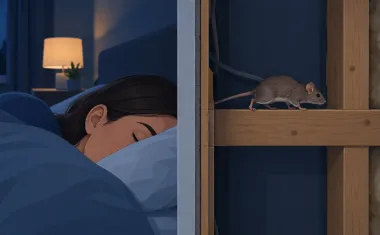
Mice sound like light scratching, scurrying and gnawing in walls and ceilings at night, with the odd high squeak. Rats are louder. Confirm with droppings, then trap nearby.
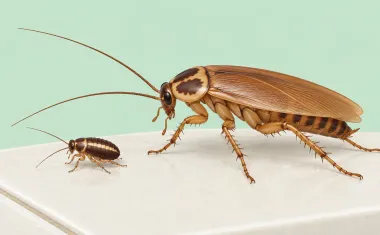
A baby cockroach is a wingless nymph, 1/8 to 9/16 inch, usually dark with a pale stripe down its back. It usually means roaches are breeding indoors. Confirm with $10–20 of sticky traps, then bait.
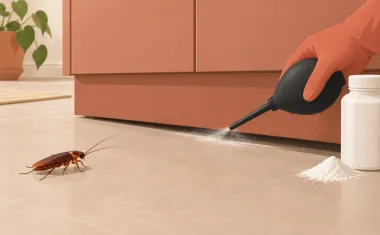
Boric acid kills roaches, but slowly: puff a barely visible film into cracks and voids, never piles in the open, add gel bait, and expect results after a week or more. A pound costs about $19.
Gel bait plus sticky traps, not sprays: clean up food and water, put pea-sized dabs of bait where roaches hide, and recheck every 2–4 weeks. Supplies start at about $24; shared quotes for a full pro treatment run $300–$850.
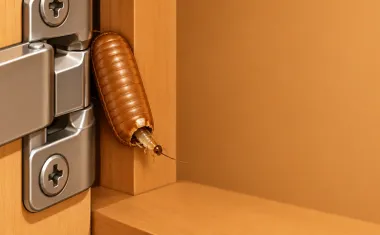
Roach eggs sit inside a brown, bean-shaped case ¼ to ⅜ inch long, with a dozen to 40-plus eggs. Sprays can’t get through it: vacuum up every case, then bait the hatchlings for a month.
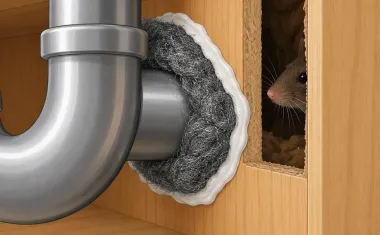
Yes, if you pack it tight and caulk over it: mice can’t chew through coarse steel wool, but they push past loose plugs and it rusts. Steel wool plus caulk costs about $11.
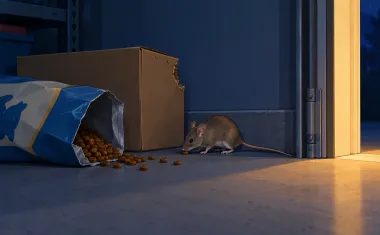
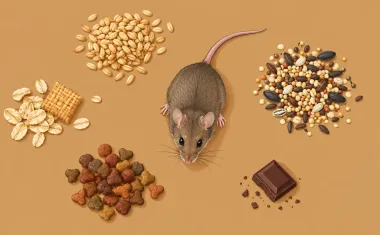
Mice prefer grains and seeds but eat almost anything, only about 1/10 ounce a day, so you can’t starve them out. Store food in glass, metal or thick plastic and trap the rest.
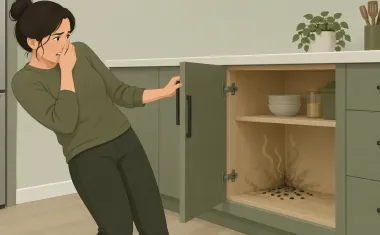
Roaches smell musty and oily, from droppings and secretions, and you usually notice it only in a large infestation. Trace it with $10 of sticky traps, then bait and scrub.